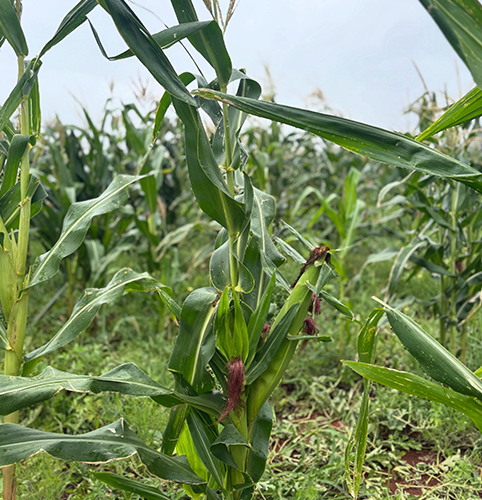
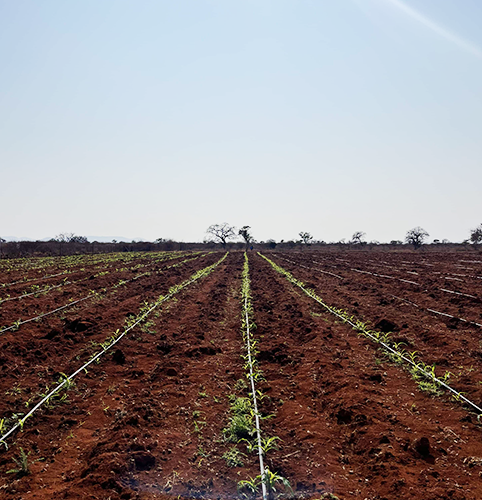
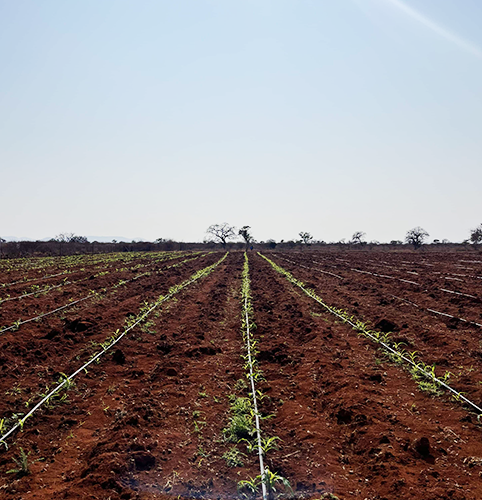
We grow maize and watermelon on our farm in Zebediela using sustainable practices — drip irrigation, crop rotation, organic-led inputs, and AI-assisted planting planning. Our produce is sold affordably within the community, to local vendors, and we are looking into expanding to urban markets in Johannesburg.
Why it matters:
Our maize feeds families who can’t afford supermarket prices. Our farming model proves that rural agriculture is viable, scalable, and worth investing in.
Agricultural Workshops for Schools
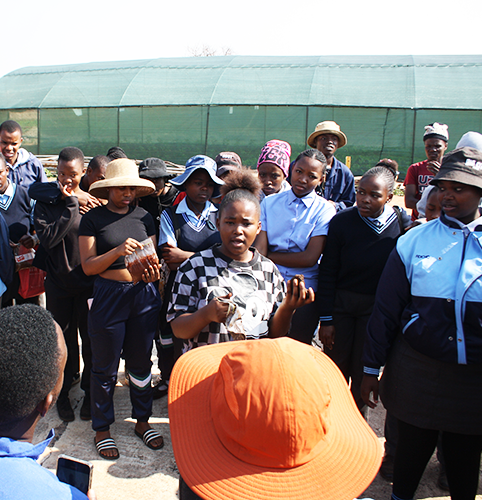
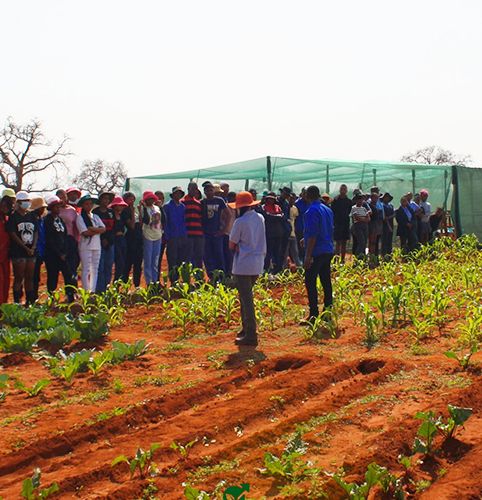
We bring the farm to the classroom — and the classroom to the farm. Our annual Agricultural Sciences Workshop hosts Grade 11 learners from local secondary schools for a full-day, hands-on farming experience: from planting to soil management and harvesting.
Past participants: Kgakala Secondary School, Madibo High School, Dithlakaneng Primary School.
Why it matters:
Learners studying Agricultural Sciences get practical exposure they can’t get from a textbook. Schools get a real-world partner. We get the next generation excited about farming.
Permaculture & Home Gardening Training
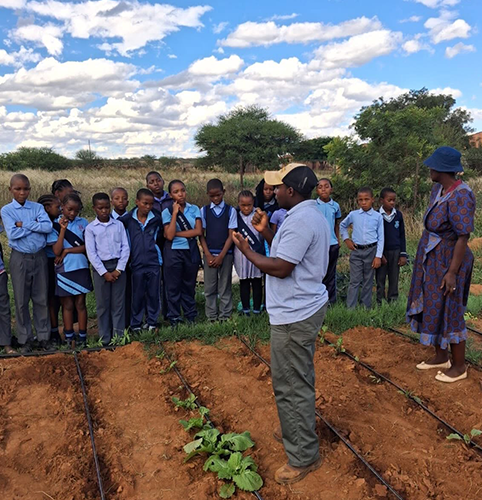
Not everyone has two hectares. But everyone has a backyard — or a bucket. We run community training sessions on permaculture, small-scale home food production, and gardening so that households can grow their own food regardless of space or budget.
Why it matters:
Self-sufficiency at household level reduces food insecurity and builds community resilience. Knowledge is the most scalable crop we grow.
Drip Irrigation & Water-Smart Farming
We train farmers and community members on drip irrigation systems that deliver water directly to root zones, reducing wastage and improving crop survival during dry spells. We connect participants to practical solutions like JoJo tank-fed systems that work within local infrastructure.
Why it matters:
South Africa’s water scarcity is not going away. Equipping farmers with climate-resilient methods today protects livelihoods tomorrow.
AI-Assisted Planting Programmes
were early adopters of AI tools like ChatGPT to develop structured planting programmes, identify crop challenges, and improve planning and productivity on the farm. We share this approach with participants to demystify AI and show how accessible technology can transform small-scale farming outcomes.
Why it matters:
Innovation doesn’t belong only to large commercial farms. We’re proof that emerging farmers can leverage cutting-edge tools to get ahead.
Community Farming Model
We are looking into developing a shared community farming model where groups are allocated plots of land to cultivate crops together. Profits will be shared among participants, with a portion reinvested into school gardens and community development projects.
Why it matters:
Collective agriculture builds community ownership, shared accountability, and sustainable local food systems.